Is Your Body Running Too Hot? Signs of Pitta Imbalance (And What Ayurveda Recommends)

You've been snapping at people you love. Your skin looks more reactive than usual — a little red, a little angry. Sleep has been elusive even when you're bone-tired. And no matter how much water you drink, you feel like something is burning inside you that just won't quiet down.
If this sounds familiar, Ayurveda has a name for what you're experiencing — and more importantly, a gentle, time-tested way to address it.
This is what a Pitta imbalance can feel like. And in the height of summer, it's one of the most common things that pulls women out of alignment without them ever knowing why.
What Is Pitta, Exactly?
In Ayurveda, Pitta (pronounced pit-tah) is one of three primary energies — called doshas — that govern how your body and mind function. Each dosha is made up of elements: Pitta is composed of fire and water, making it naturally hot, sharp, intense, and transformative.
Pitta governs digestion, metabolism, intelligence, vision, and the way you process — food, experiences, emotions, and ideas alike. When Pitta is in balance, it expresses as sharp focus, healthy digestion, radiant skin, and a warm, driven personality.
But when Pitta accumulates — especially during the heat of summer, which is peak Pitta season — that fire can begin to burn too hot.
→ Not sure what your dominant dosha is? Take the Antarvita Dosha Quiz to find out.
Signs Your Pitta May Be Out of Balance
Pitta imbalance can show up in the body and mind in ways that might surprise you. You may be experiencing one of these, or a cluster of several:
Physical Signs
Skin inflammation and breakouts. Pitta governs the skin, and excess heat often surfaces there first — redness, rashes, sensitivity, acne along the jawline or cheeks, or flare-ups of existing conditions like rosacea or eczema.
Burning sensations. Heartburn, acid reflux, a burning sensation in the stomach or after meals, or even a literal feeling of heat in the palms and soles of the feet are classic Pitta indicators.
Loose digestion. Pitta can over-activate digestion, leading to loose stools, urgency, or a sense that food moves through you too quickly.
Sensitivity to heat. While everyone feels hot in summer, excess Pitta may mean the heat feels genuinely unbearable — almost personal. You may find yourself more irritated by sun, warm rooms, or spicy food than others around you.
Inflammation and joint tenderness. Heat in the tissues can show up as general inflammation, tender joints, or a sense of soreness without an obvious cause.
Eye sensitivity. Red, irritated, or light-sensitive eyes can be a sign of excess Pitta, particularly in summer.
Mental and Emotional Signs
Irritability and short fuse. You may find yourself reacting with more heat than the situation warrants — snapping, feeling easily frustrated, or sensing an edge in your interactions that you can't quite explain.
Perfectionism and control. When Pitta rises, the mind can become sharper in a way that tips into criticism — of yourself, of situations, of others. You may feel a pressing need to correct things or a low tolerance for inefficiency.
Competitiveness and intensity. Ambition is a beautiful Pitta gift. But excess Pitta can make that drive feel more like pressure — relentless and hard to turn off.
Difficulty sleeping despite exhaustion. The mind stays "on." You may find it hard to drop into rest even when your body is clearly depleted.
Impatience. Everything feels like it's moving too slowly. A creeping sense of urgency, even in moments that don't require it.
💛 Ready to understand your body more deeply?
The Antarvita Agni + Dosha Assessment can help you identify your current imbalances and get personalized support for what your body is telling you this season.
→ Take the free assessment— Katy
Katy Kennedy, MS · Founder, Antarvita
Frequently asked questions
What are the signs of Pitta imbalance in women?
Acid reflux or burning digestion, jawline and cystic acne, red or easily flushed skin, irritability and a short fuse, loose stools, heavy or early cycles, waking between 1 and 3am, and overheating at night.
How do I cool Pitta quickly?
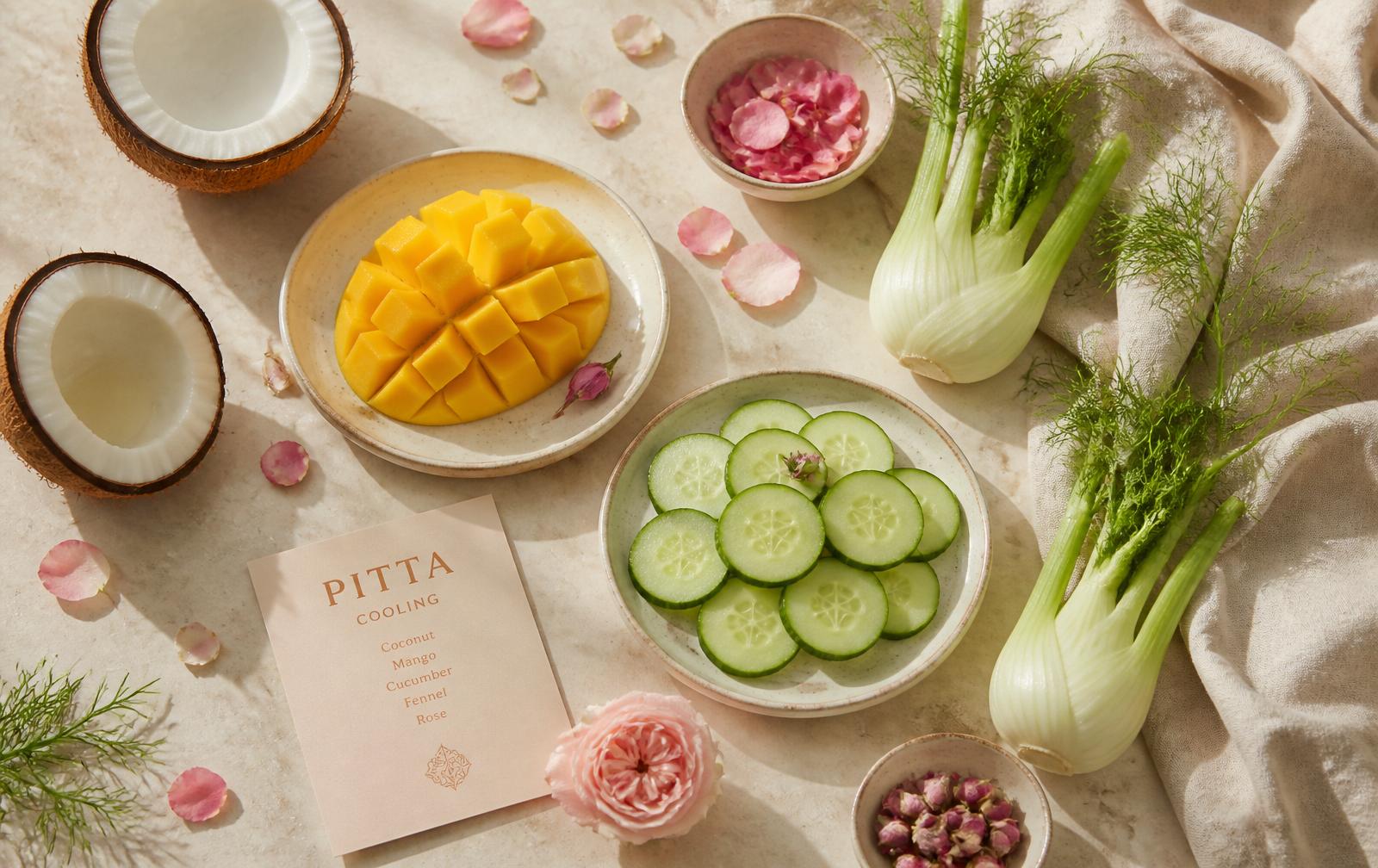
Eat a proper lunch at midday, swap coffee for a cooling drink, add coconut, cilantro and fennel, move your workout to morning or evening, and get to bed before 10pm.
Which foods aggravate Pitta?
Alcohol, coffee on an empty stomach, chilli, vinegar, fermented foods, aged cheese, tomatoes and anything eaten in a rush while working.
Which herbs balance Pitta?
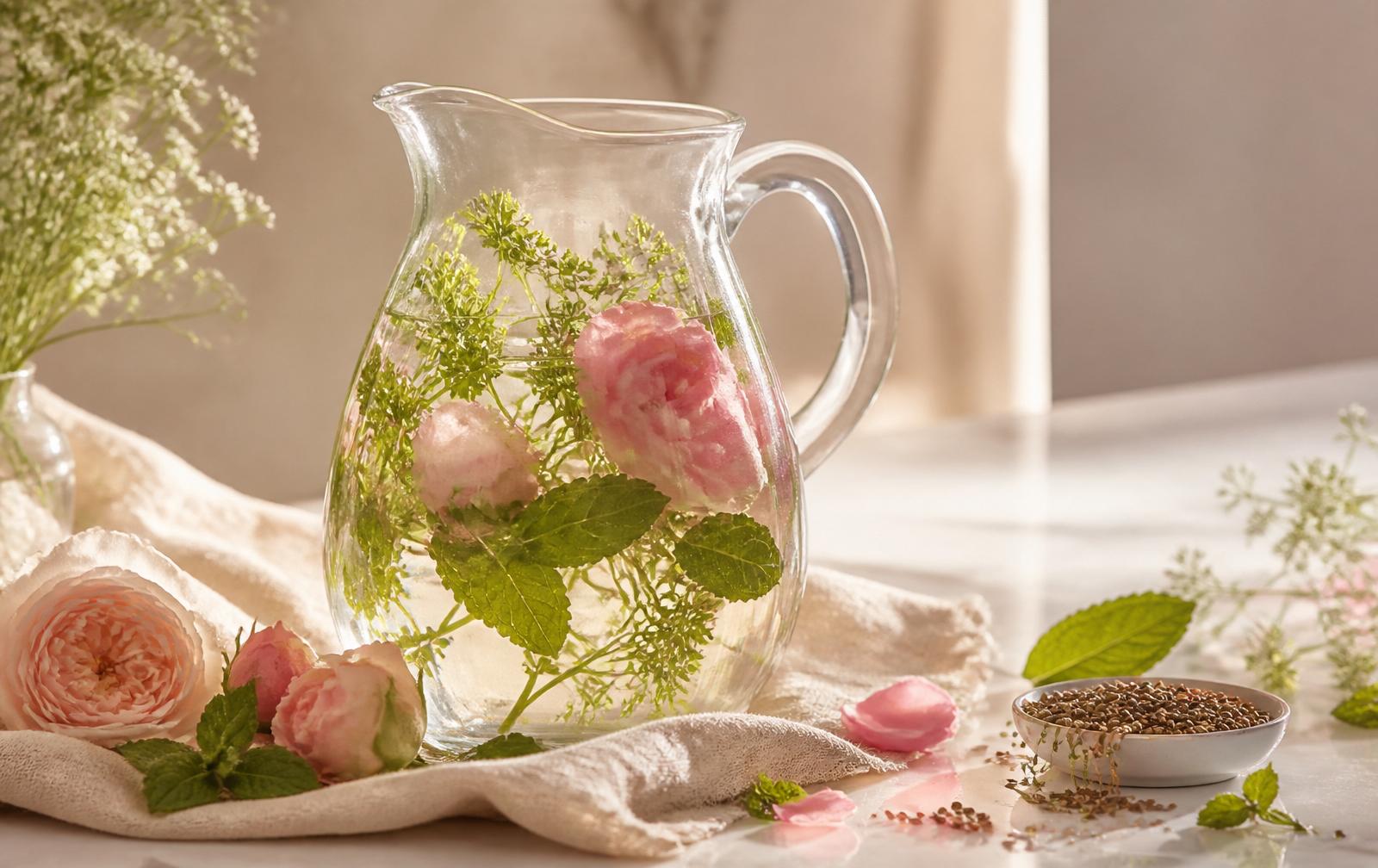
Traditionally: shatavari, amalaki, brahmi, coriander and rose. They are cooling rather than stimulating — the opposite of the adaptogens usually marketed for energy.

The herbs behind this article
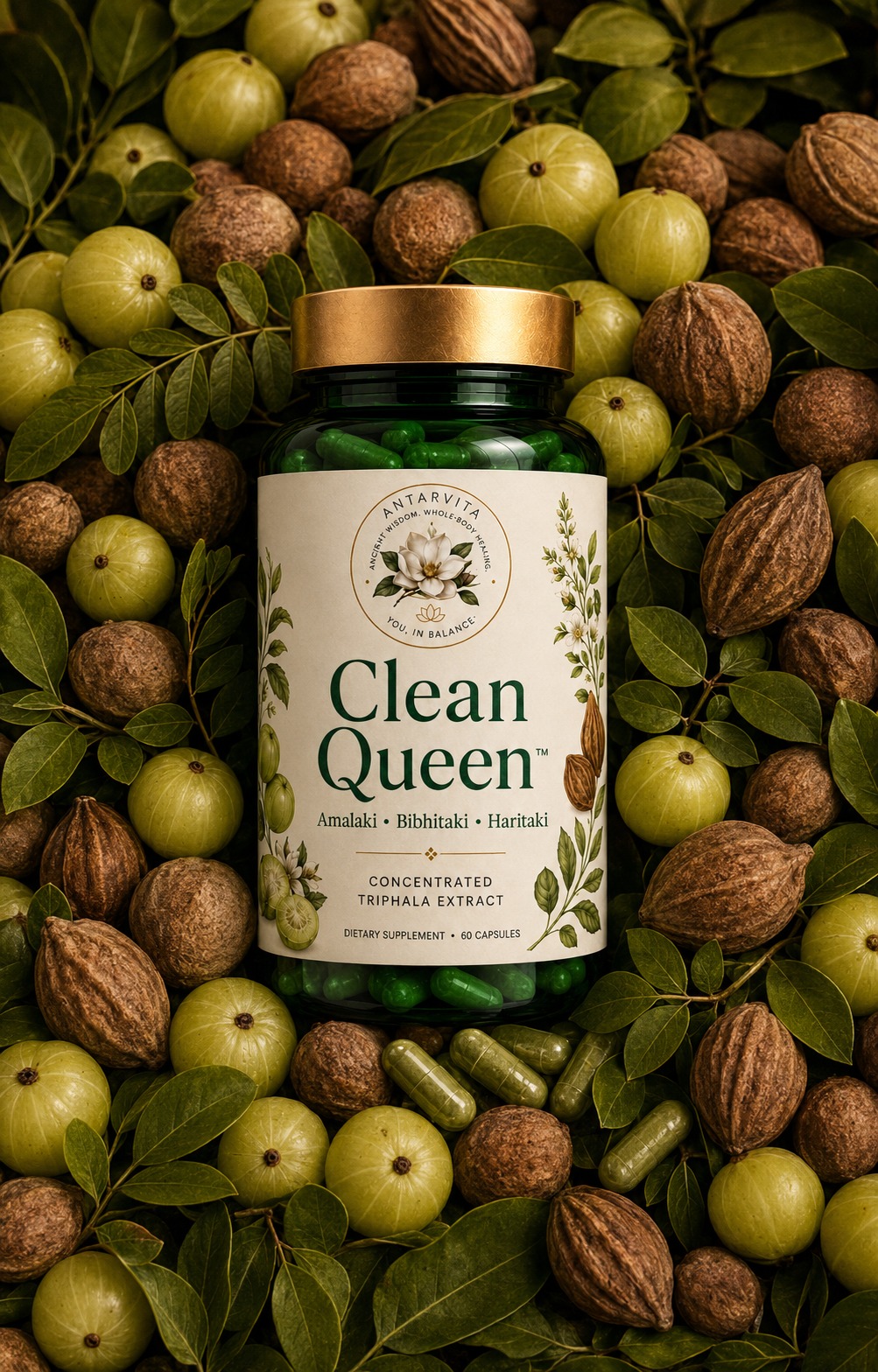

Begin to understand your body through an Ayurvedic lens
If you want to understand your body through a personalized Ayurvedic lens, begin with the Libido Body Type Quiz or explore a private Antarvita consultation.
References
- Lad, V. (2002). Textbook of Ayurveda, Volume One: Fundamental principles. The Ayurvedic Press. https://www.ayurveda.com/textbook-of-ayurveda-volume-one/
- Sharma, H., & Clark, C. (2012). Ayurvedic healing: Contemporary maharishi Ayurveda medicine and science (2nd ed.). Singing Dragon. https://us.singingdragon.com/products/ayurvedic-healing-second-edition
- Patwardhan, B., Warude, D., Pushpangadan, P., & Bhatt, N. (2005). Ayurveda and traditional Chinese medicine: A comparative overview. Evidence-Based Complementary and Alternative Medicine, 2(4), 465–473. https://doi.org/10.1093/ecam/neh140
- Travis, F. T., & Wallace, R. K. (2015). Dosha brain-types: A neural model of individual differences. Journal of Ayurveda and Integrative Medicine, 6(4), 280–285. https://doi.org/10.4103/0975-9476.172385